So the AAN has plenty of content about dementia in general. A lot of it is updates in Alzheimer’s disease and mild cognitive impairment, Lewy body disease, and frontotemporal dementia. And then there are specific abstracts that are also related to the cutting edge of research in dementia care. So I think in the world of dementia, there are some big picture advances that are ongoing. Number one are biomarkers...
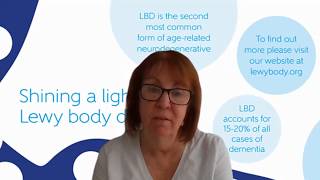
So the AAN has plenty of content about dementia in general. A lot of it is updates in Alzheimer’s disease and mild cognitive impairment, Lewy body disease, and frontotemporal dementia. And then there are specific abstracts that are also related to the cutting edge of research in dementia care. So I think in the world of dementia, there are some big picture advances that are ongoing. Number one are biomarkers. Alzheimer’s disease is moving rapidly into a blood-based biomarker space. And that’s one of the biggest advances we have. And it’s going to hugely impact our clinical practices and in some ways it’s already impacting it. When people can walk into their primary care doctors and receive a blood biomarker for whether they have Alzheimer’s disease or not and then they come to your neurologist – as a neurologists, we need to know what to do with that information, so I believe there is a lot of chatter in our world about how do we really implement this and how do we make sure that the tests that we are giving people are accurate, as accurate as they can be. And so there is discussion about that. There are similar biomarker developments in the world of Lewy body disease. So for example, we’re starting to see alpha-synuclein skin biopsies as well as alpha-synuclein CSF seeding assays that are starting to show a lot of higher diagnostic accuracy than we have ever had before with just our clinical core criteria and that will help in early recognition of our patients. So there is a lot of advancement in that area. The second thing that will impact clinical practice is actually treatment advances that we have had in Alzheimer’s disease recently, particularly Alzheimer’s disease anti-amyloid removal therapies that are already in clinical practice, and the AAN has a lot of content about long-term results from some of the anti-amyloid therapies that are already in clinical practice. In fact, one was being presented just this past hour or so. There’s also going to be a lot of discussion about how to create workflows in your clinical practice that are amenable to having anti-amyloid therapies. So for example, if you’re in a smaller practice versus a larger practice, providing infusions and monitoring it may or may not be easy for you. And so some of those things are getting discussed in neuroscience and clinic as well.
This transcript is AI-generated. While we strive for accuracy, please verify this copy with the video.